Switzerland
A country you can cross in four hours, with four languages, twenty-six cantons and the best railway on earth.
Switzerland is small. Zurich to Geneva is under three hours by train; the whole country is roughly the size of the Netherlands, or half of Scotland. You can base yourself in one city and see a surprising amount of it on day trips.
It is also more varied per kilometre than anywhere else in Europe. In an hour you can go from a German-speaking banking city to an Italian-speaking piazza with palm trees, or from a French-speaking lakefront to a glacier.
How the country is put together
Four languages. German in the centre, north and east — though what people actually speak is Swiss German, which written German will not entirely prepare you for. French in the west, around Geneva, Lausanne and Neuchâtel. Italian in Ticino, south of the Alps. And Romansh, still spoken by a few tens of thousands in Graubünden.
Twenty-six cantons, which behave less like provinces and more like small states: their own taxes, schools, police and holidays. This is why opening hours, shop closures and public holidays change as you cross an invisible line.
No single capital in the usual sense. Bern is the seat of government, but it is deliberately modest — Zurich is bigger and richer, Geneva is more international, and neither is the capital.
Where to go
The cities
Each is small enough to walk and different enough to be worth the trip.
- Zurich — the largest, on a lake and a river, with the best museums and the swimming
- Geneva — at the far west end of the lake, international and expensive
- Bern — the UNESCO old town, six kilometres of arcades, and the bears
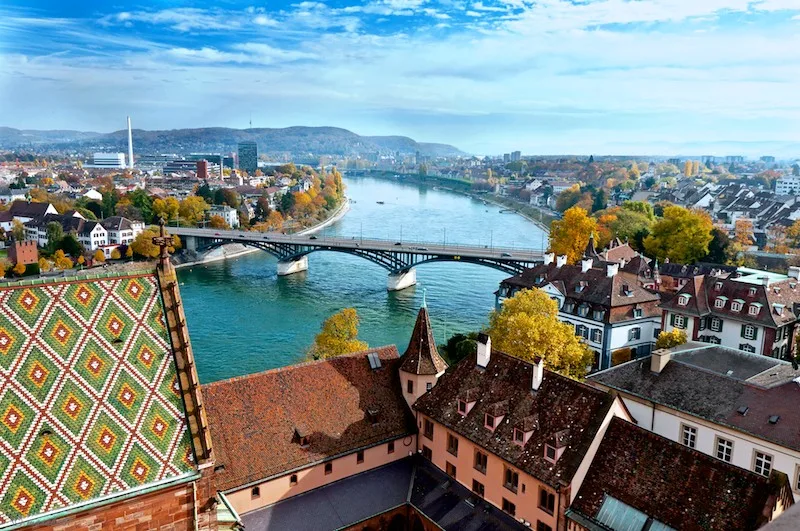
- Basel — on the Rhine at the German and French corners, and the best art city in the country
- Lucerne — the covered bridge and the mountains straight behind it
- Lugano — Italian-speaking, palm trees, and a different country in every way that matters
The mountains
The Bernese Oberland, around Interlaken, is the classic first trip: Lauterbrunnen in its valley of waterfalls, Grindelwald under the north face, and the railway up to the Jungfraujoch. The Valais, around Zermatt, has the Matterhorn and no cars. Graubünden, in the east, has St. Moritz, the Bernina railway and the only national park.
The lakes
Lake Geneva in the west, with the Lavaux terraces along its northern shore. Lake Lucerne in the middle, the most theatrical of them. Lake Constance in the north-east, shared with Germany and Austria. Lugano and Maggiore in the south, which look and feel Italian because they nearly are.
Getting around
The railway is the reason to come here without a car.
- Everything connects. Trains, buses, boats and mountain railways run to a single timetable, and connections are built to work rather than to look good on paper. A four-minute change is a real four minutes.
- Punctuality is genuine and is quietly assumed by everyone. A train described as leaving at 09:34 leaves at 09:34.
- Post buses reach the rest. The yellow buses go where the railway does not, on the same ticket and the same timetable.
- The scenic routes are ordinary trains too. The Glacier Express and the Bernina Express are famous, but the regular service runs the same track for a fraction of the price and no reservation.
Passes are worth doing arithmetic on rather than buying by reputation — the Swiss Travel Pass covers trains, buses, boats and most museums, and pays off quickly if you keep moving, but not if you are staying in one place. Prices change yearly; check the current ones on sbb.ch before deciding.
What it costs
Expensive, and there is no clever way around it. Some things help:
- Supermarkets are excellent — Coop and Migros, with hot food counters, and branches inside the main stations that open late and on Sundays.
- Tap water everywhere. Public fountains run drinking water continuously in almost every town. Fill a bottle rather than buying one.
- Lunch menus cost a fraction of the same kitchen’s dinner.
- Half-price hotel schemes and off-season rates make a real difference outside July, August and the ski weeks.
When to go
June to September for the mountains: the passes are open, the high trails are clear, and the lakes are warm enough to swim.
December to March for skiing, and for the Christmas markets in the cities.
April, May, October and November are the shoulder — cheaper and quieter, but many mountain railways and passes close, and the weather is a lottery. Check whether the specific thing you want to see is running before you commit to a date.
One rule that saves whole days: the mountains are only worth it in clear weather, and the tickets are expensive. Swiss forecasts and mountain webcams are reliable — look at them the evening before, and swap a city day for a mountain day when the sky is right.
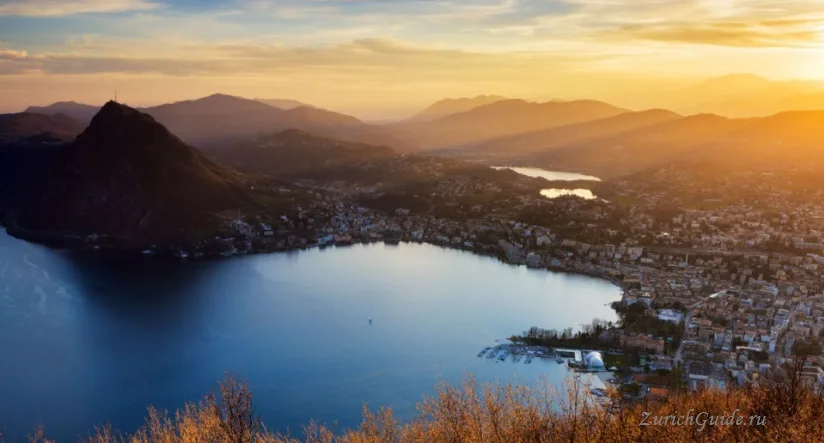
Ticino
The canton south of the Alps: Italian-speaking, Lombard-built, several degrees warmer, and still unmistakably Swiss where it counts.
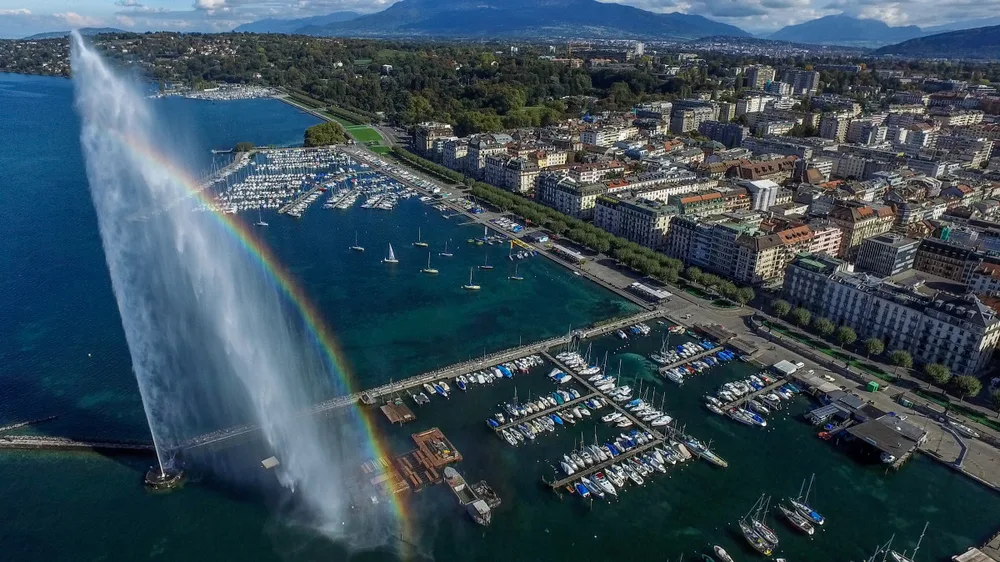
Geneva
Switzerland's second city, wedged into the French border at the end of the lake, and the one everybody mistakes for the capital.
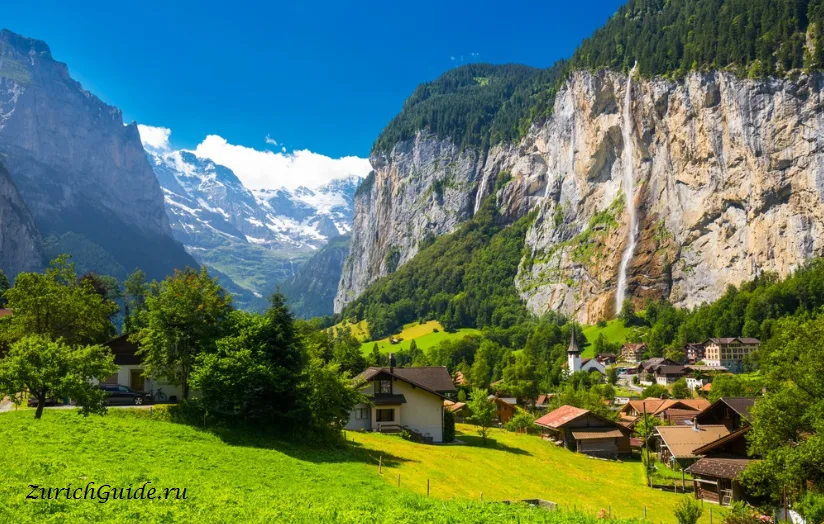
The Bernese Oberland
Two lakes, three famous peaks, a valley of waterfalls and four car-free villages, all within half an hour of one junction town.
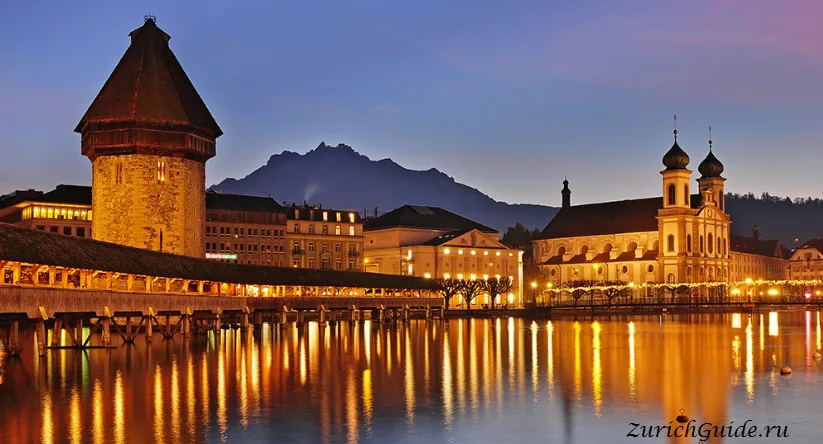
The ten most beautiful towns in Switzerland
Not the most visited — the most worth looking at. A personal list, in order, from someone who lives here.
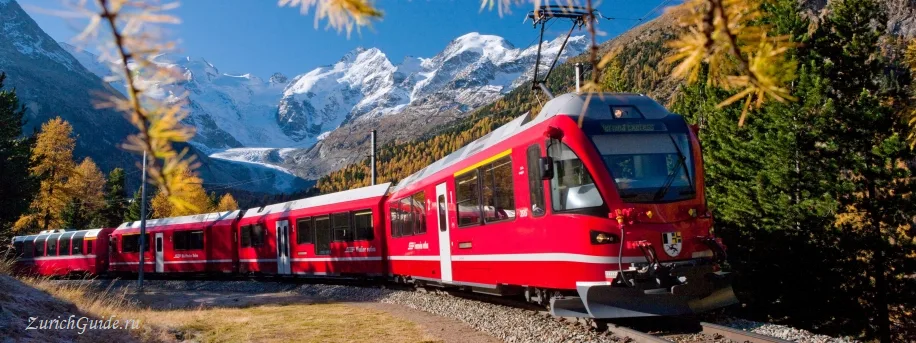
Graubünden
A fifth of Switzerland, 150 valleys, three languages, two UNESCO railways and the only national park in the country.
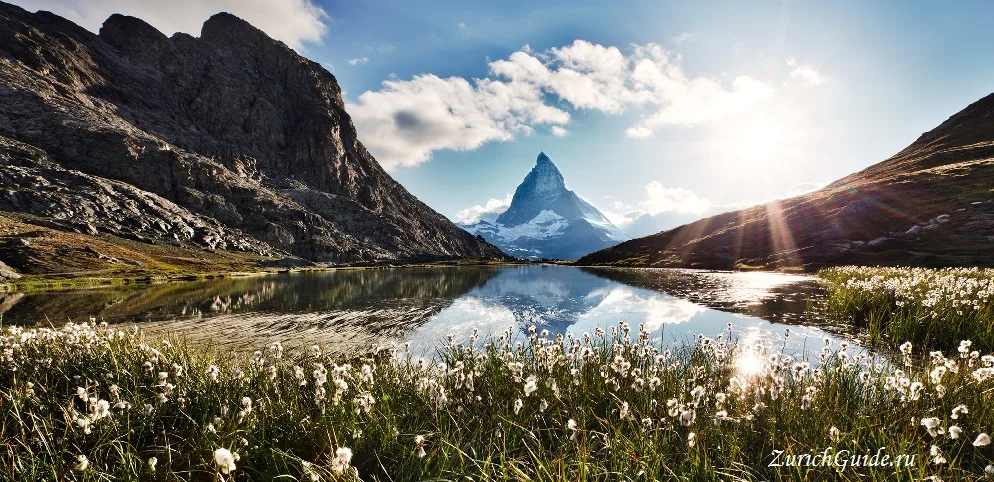
Valais
The Rhône valley from Lake Geneva to the Furka, with 45 of Switzerland's 48 four-thousand-metre peaks, a language border in the middle and the country's largest vineyard.
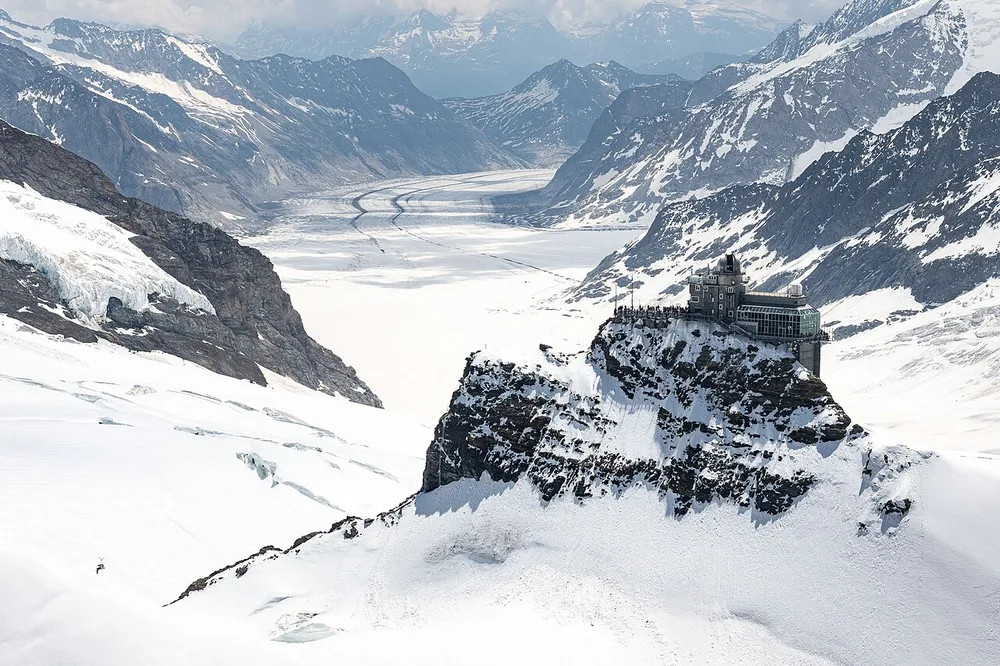
Jungfraujoch
The highest railway station in Europe at 3,454 m, with the longest glacier in the Alps below it. Expensive, weather-dependent, and worth doing properly.
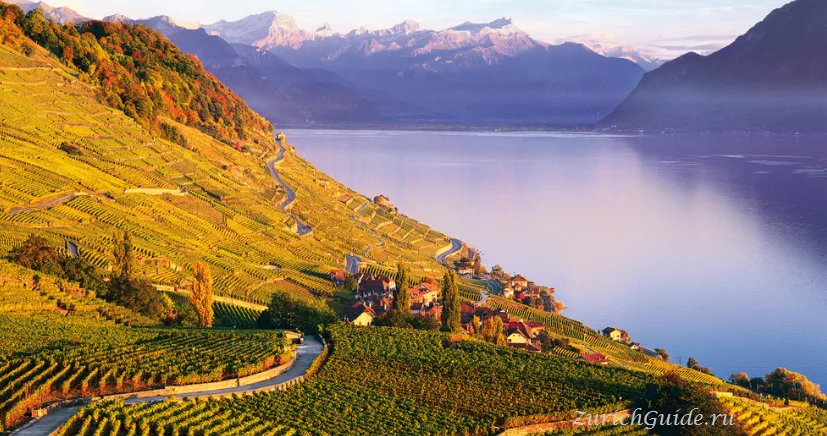
Vaud
The French-speaking shore from Geneva to Montreux, with terraced vineyards, a castle on the water, and the Alps beginning behind it.
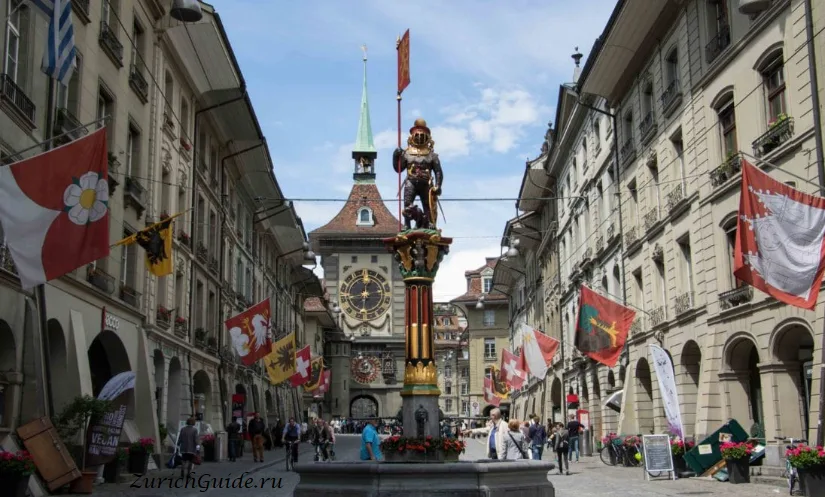
Bern
The federal capital, which almost nobody outside Switzerland guesses correctly, with six kilometres of arcades and a river you can swim down.
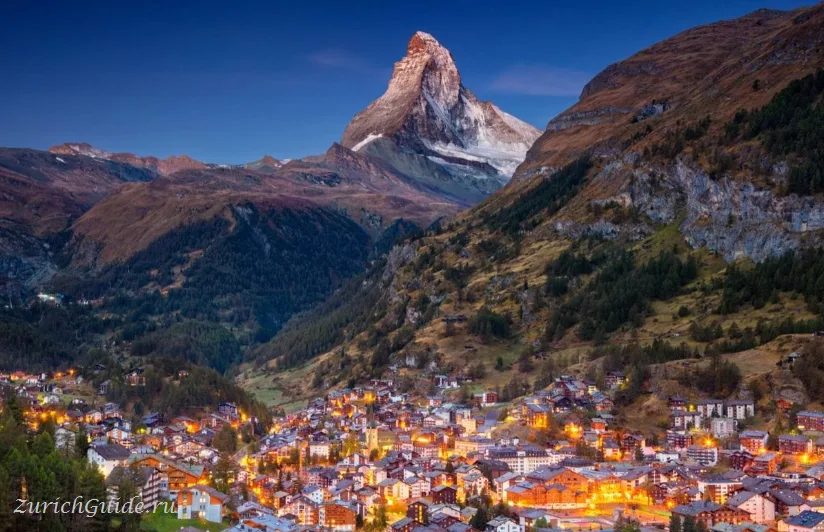
Zermatt
A car-free village at the end of a valley, with the most recognisable mountain in the world at the end of the main street.
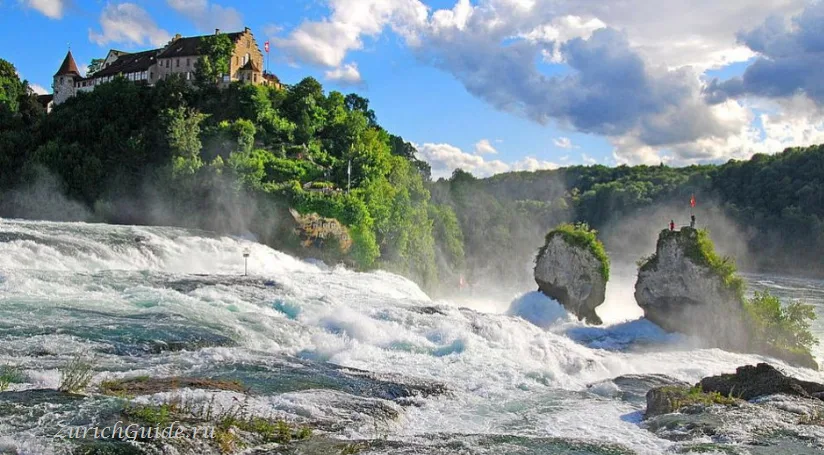
The Rhine Falls
The biggest waterfall in Europe by volume, close enough to Zurich to be a half-day trip, and free to look at.
Lauterbrunnen
A flat green valley floor between vertical walls 400 metres high, with waterfalls coming off both sides. Tolkien walked it and put it in the books.
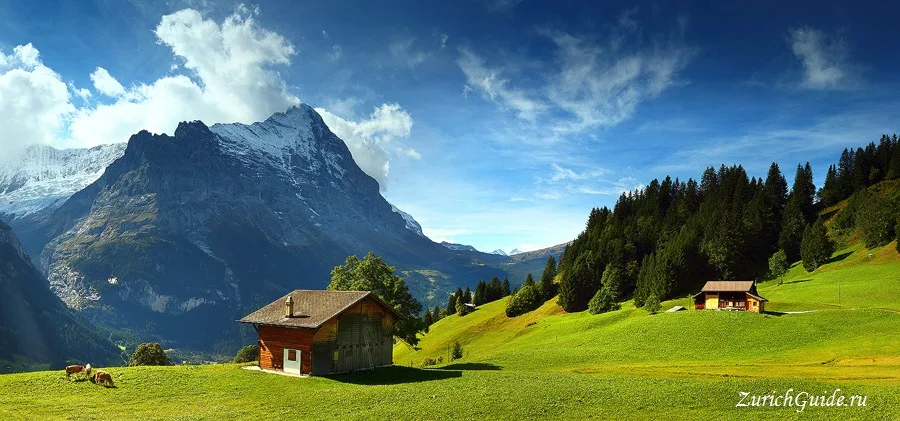
Grindelwald
The busiest base in the Jungfrau region, directly beneath the most famous rock wall in the Alps, and the fastest way up to the Jungfraujoch since 2020.
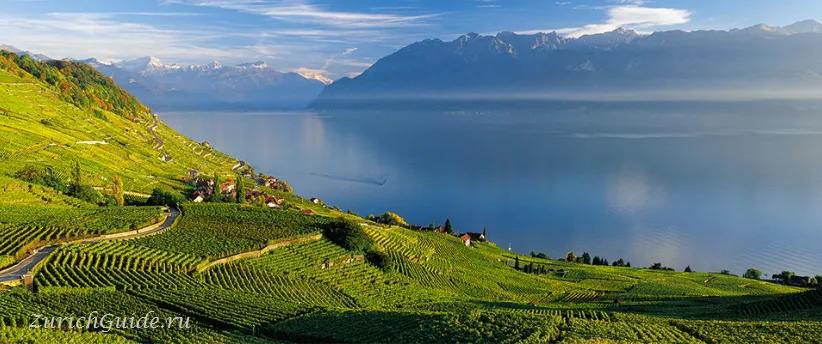
Lavaux: the terraced vineyards of Lake Geneva
Thirty kilometres of dry-stone terraces between Lausanne and Vevey, worked since the eleventh century and listed by UNESCO since 2007.
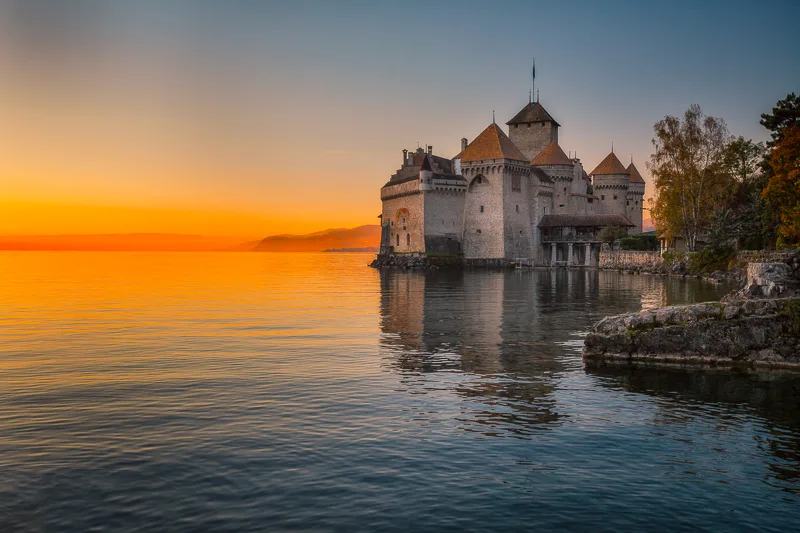
Montreux
A mild strip of lakefront where palm trees grow at the same latitude as Vienna, with a thirteenth-century castle on the water at one end.
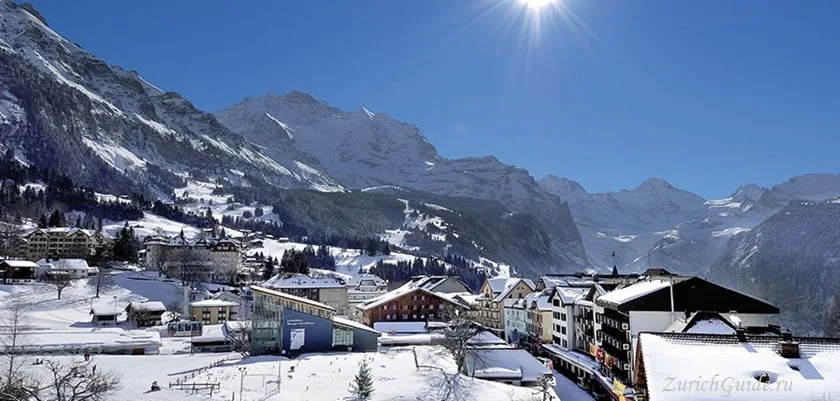
Wengen
A sunny shelf at 1,274 m reached only by rack railway, with the Jungfrau opposite and the longest downhill race in the world running through it.
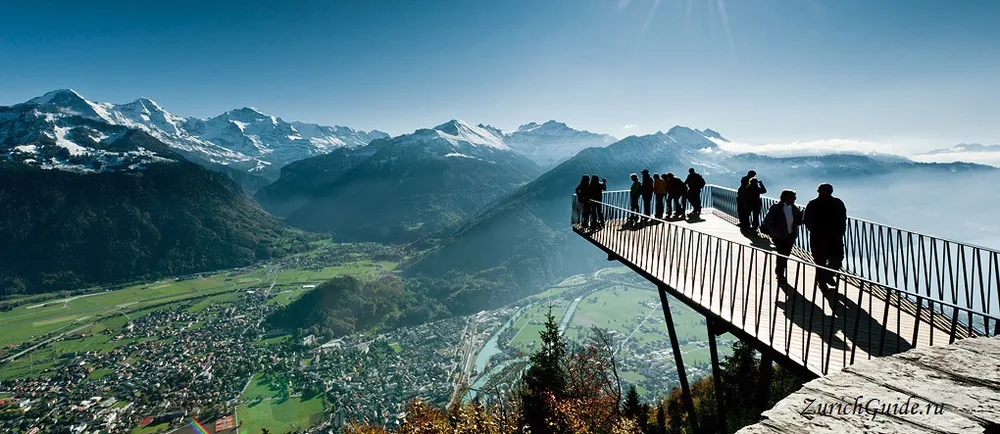
Interlaken
A town between two lakes that is not really a destination, and is the best base in Switzerland anyway.
Basel
Where Switzerland, Germany and France meet, and the best city in the country for anyone who cares about art.
Lucerne
The best-looking town in Switzerland, on the most theatrical of its lakes, with two mountains standing directly behind it.
Lugano
Palm trees, piazzas and Italian spoken everywhere, on the southern side of the Alps and still in Switzerland.
Schaffhausen
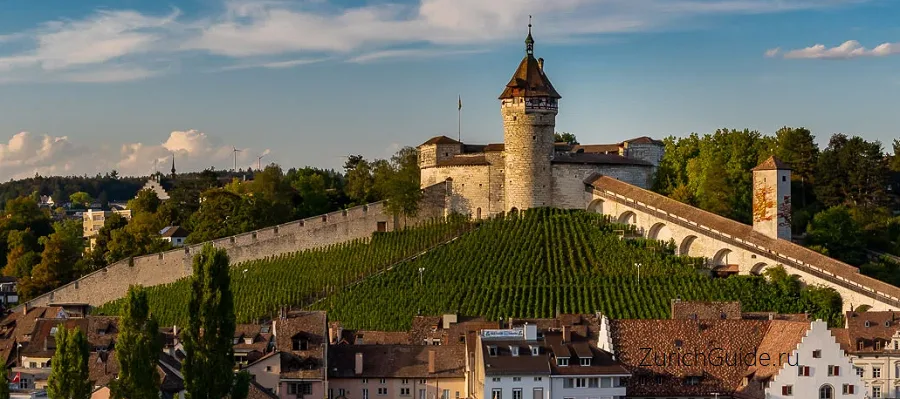
A painted old town on the German side of the Rhine, under a round fortress where the keeper still rings the bell at nine.
Neuchâtel
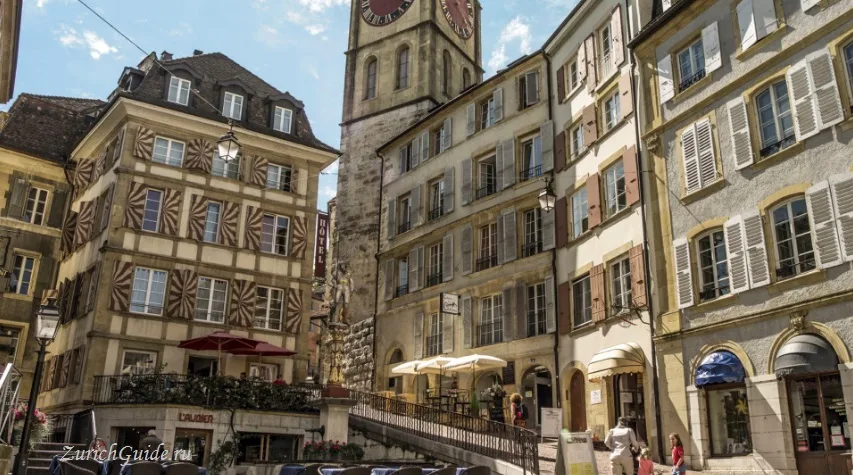
A town built in ochre limestone on its own lake, with the purest French in Switzerland and the birthplace of mechanical watchmaking above it.
Engelberg and Titlis
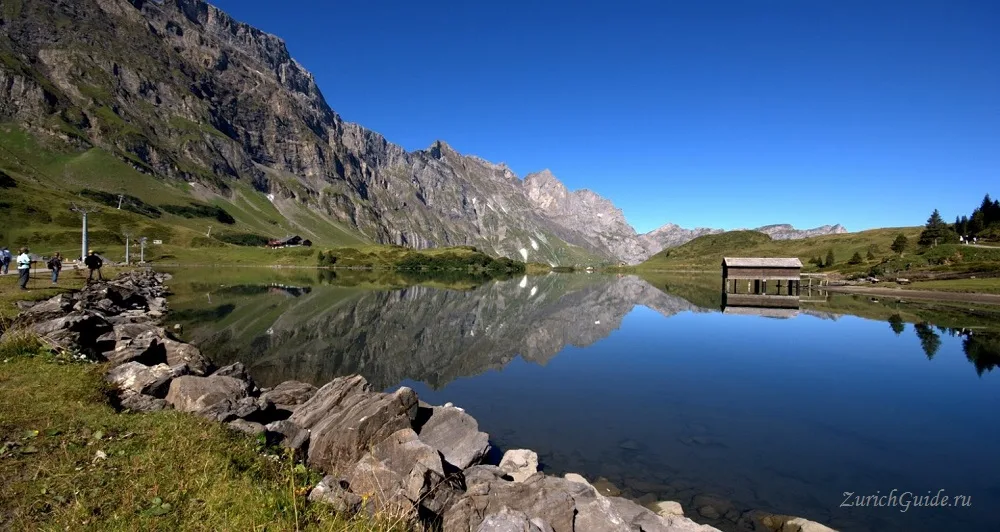
A Benedictine abbey in a high valley, and the rotating cable car to a glacier at 3,020 metres above it.
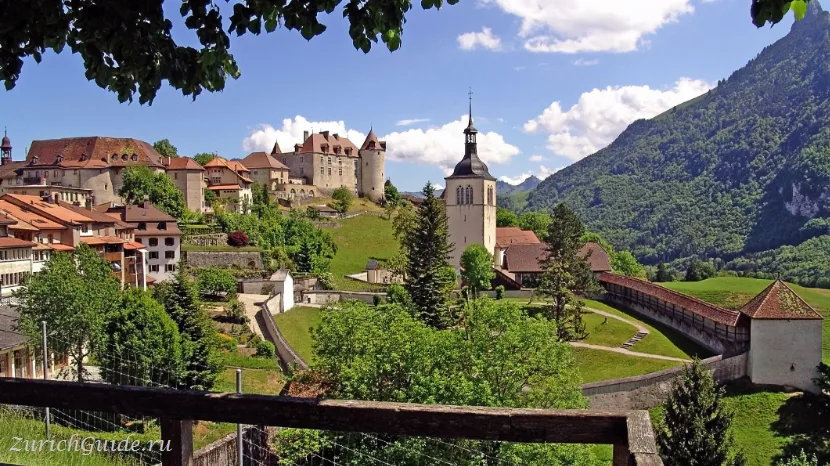
Gruyères
One cobbled street on a hilltop with a castle at the end, a cheese dairy at the bottom, and H. R. Giger in between.
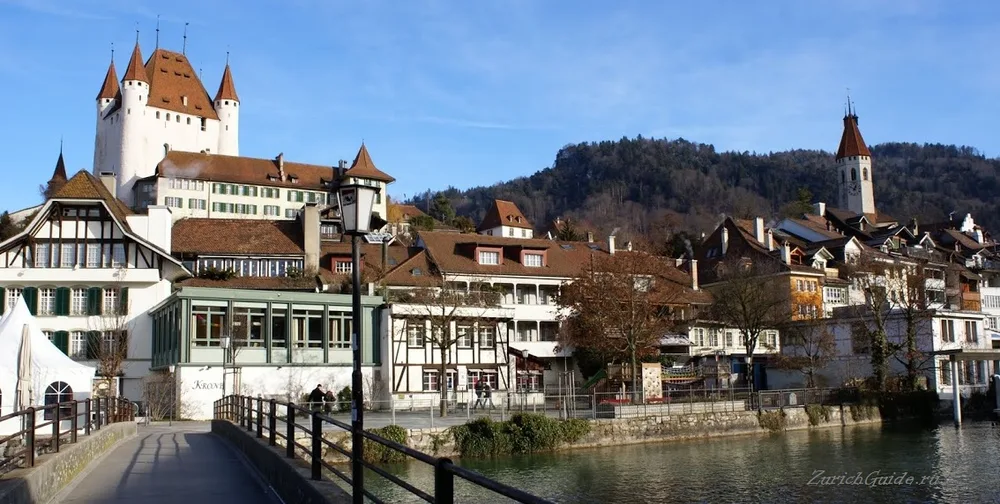
Thun
A medieval town on its own lake with a picture-book castle above it, and a main street where the pavement runs along the shop roofs.
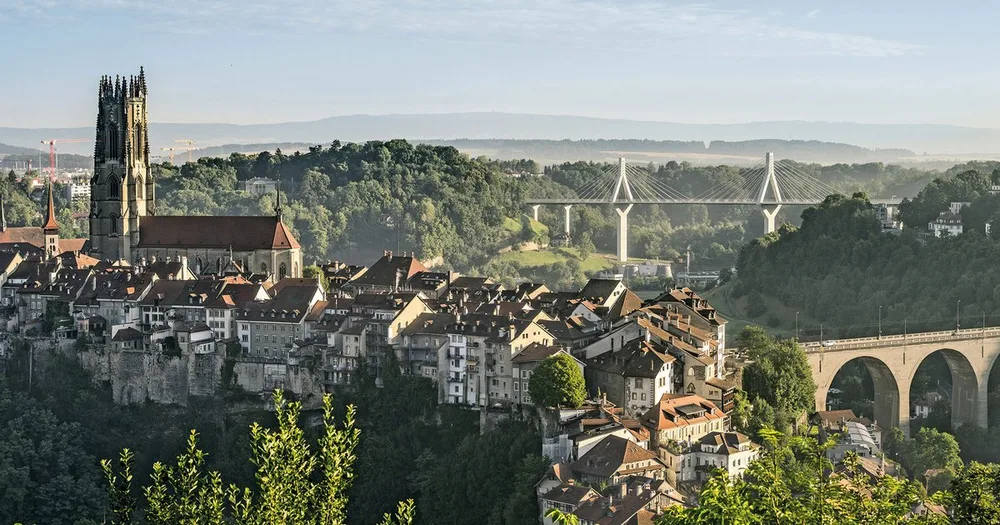
Fribourg
A stone medieval town falling into a river loop, where the language border runs down the middle of the water.
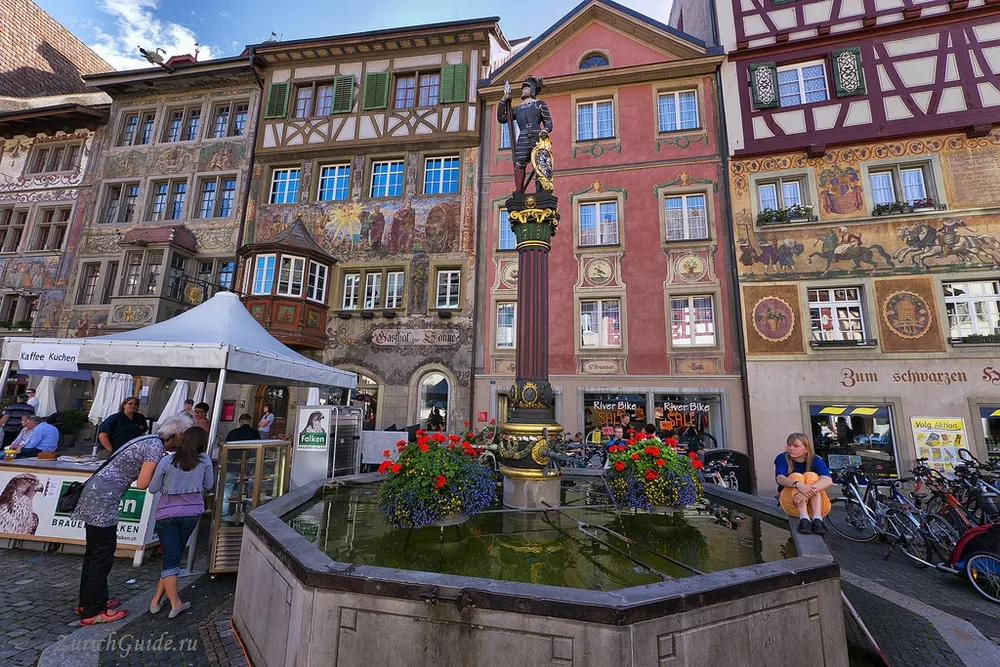
Stein am Rhein
A market square painted end to end with sixteenth-century frescoes, and the best-looking small town in Switzerland.
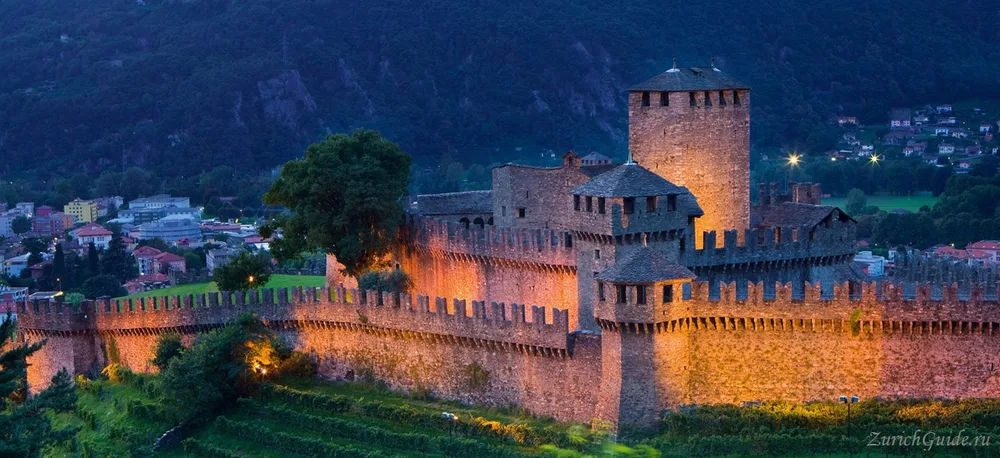
Bellinzona
The best medieval fortification in the Alps, UNESCO-listed, and skipped by almost everyone heading for Italy in a tunnel underneath it.
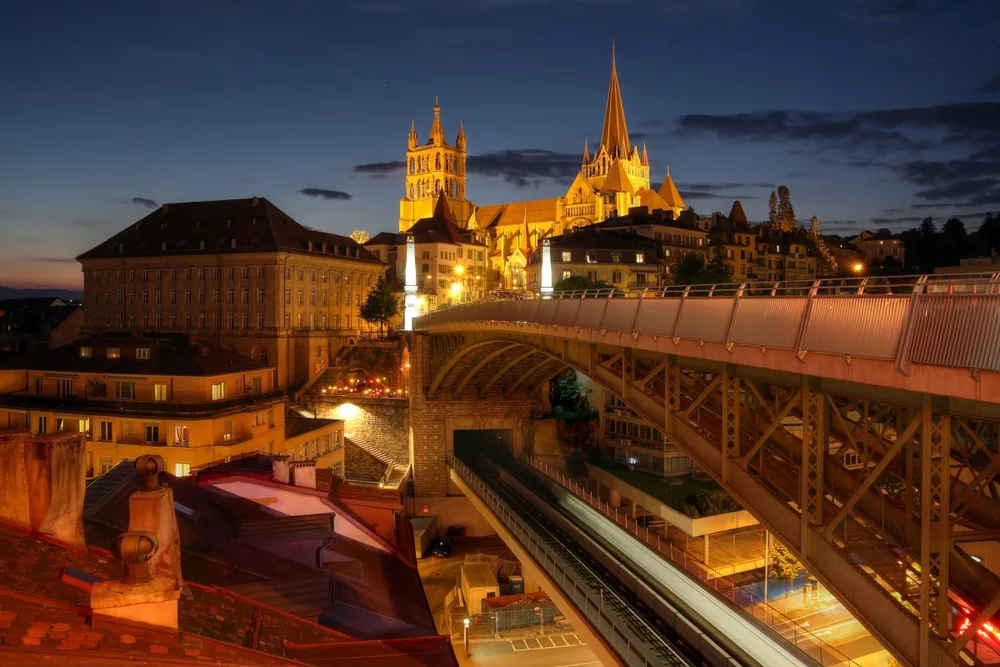
Lausanne
A steep university city on Lake Geneva with the finest Gothic cathedral in Switzerland, a night watchman who still calls the hours, and the only metro in the country.
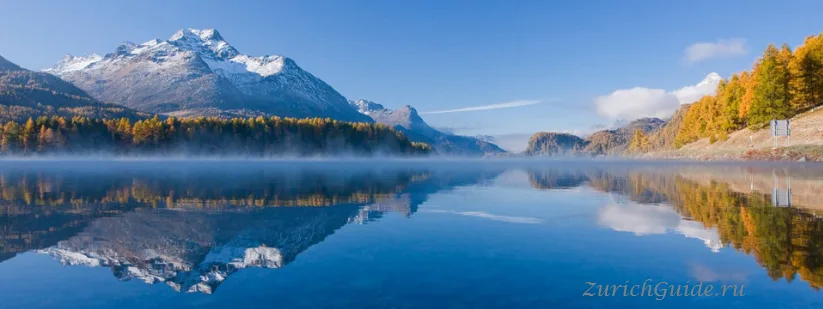
St. Moritz
A high Engadin lake, 322 days of sun a year by its own count, and the hotelier's bet in 1864 that started winter tourism.
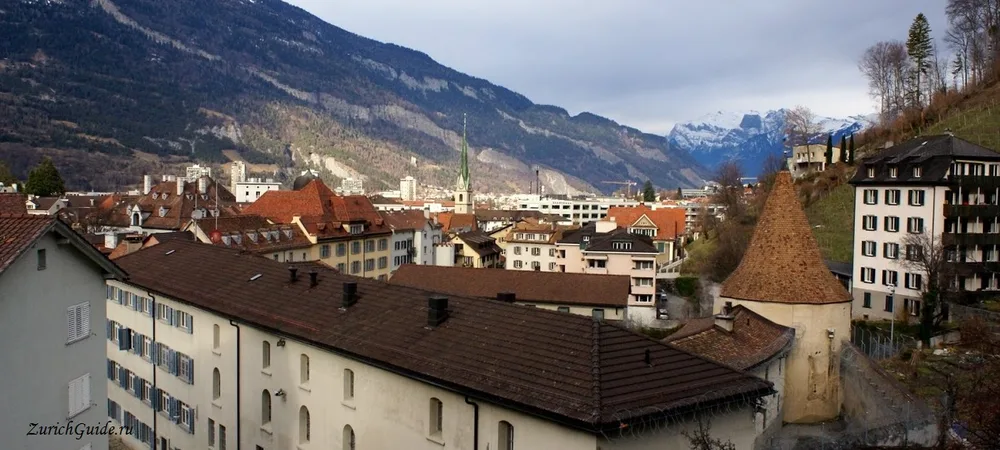
Chur
Settled for five thousand years, capital of Graubünden, and the junction where every scenic railway in the east begins.
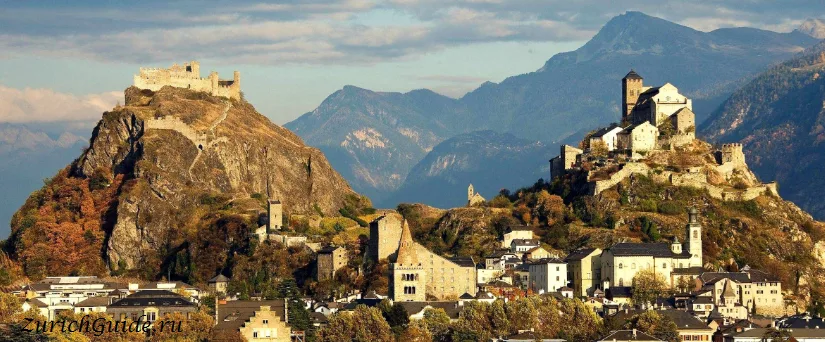
Sion
The capital of the Valais, between two rock hills each carrying a ruin, in the driest and sunniest valley in Switzerland.
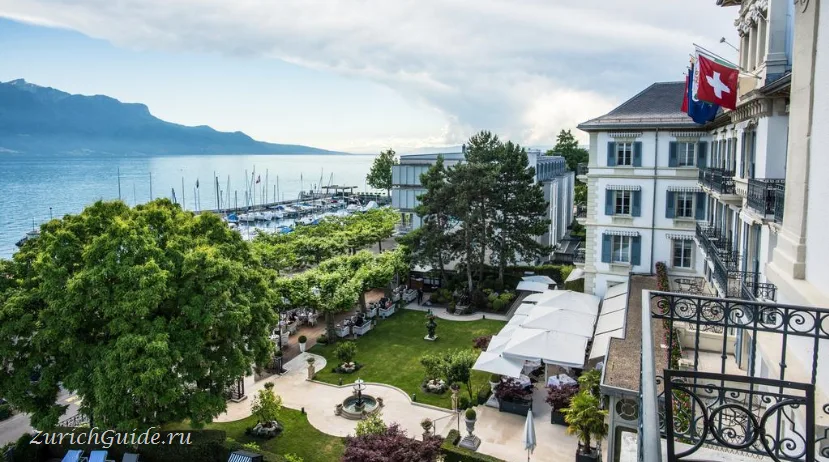
Vevey
A lakeside town between the vineyards and Montreux, where Chaplin spent his last 25 years and a wine festival happens roughly once a generation.
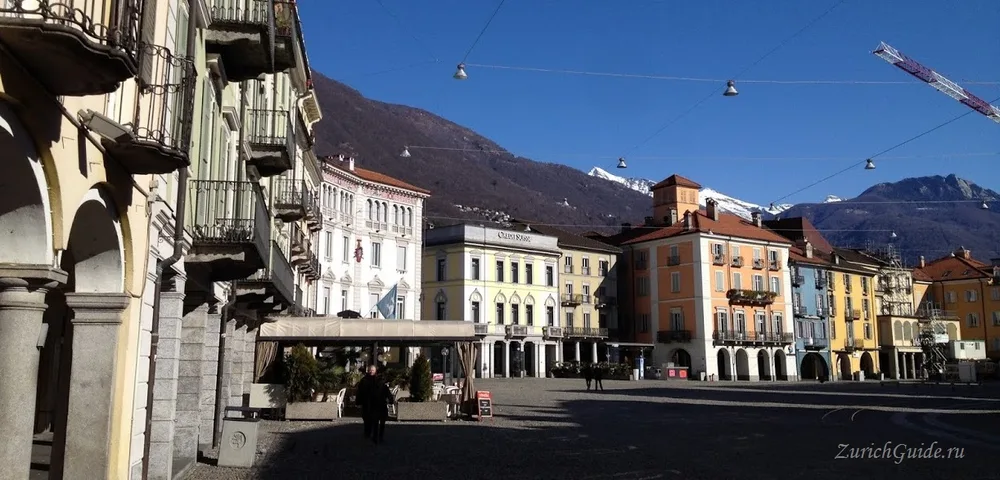
Locarno and Ascona
The lowest and warmest place in the country, with a pilgrimage church on a cliff and a film festival that fills the main square with eight thousand seats.
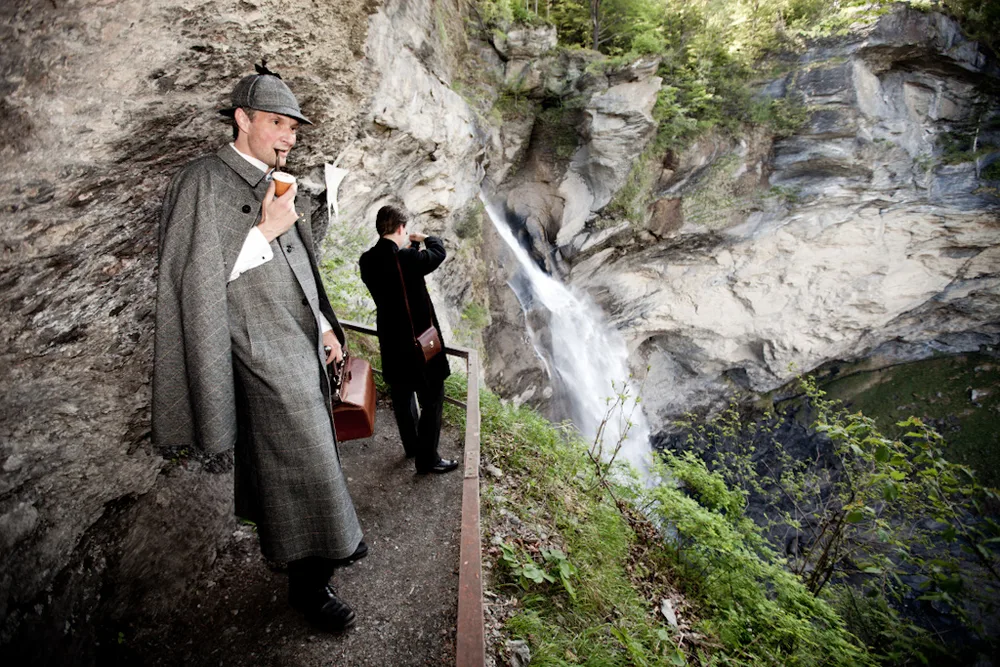
Meiringen and the Reichenbach Falls
The waterfall where Conan Doyle killed Holmes, a funicular to the ledge, and a village that has made the most of a fictional death.
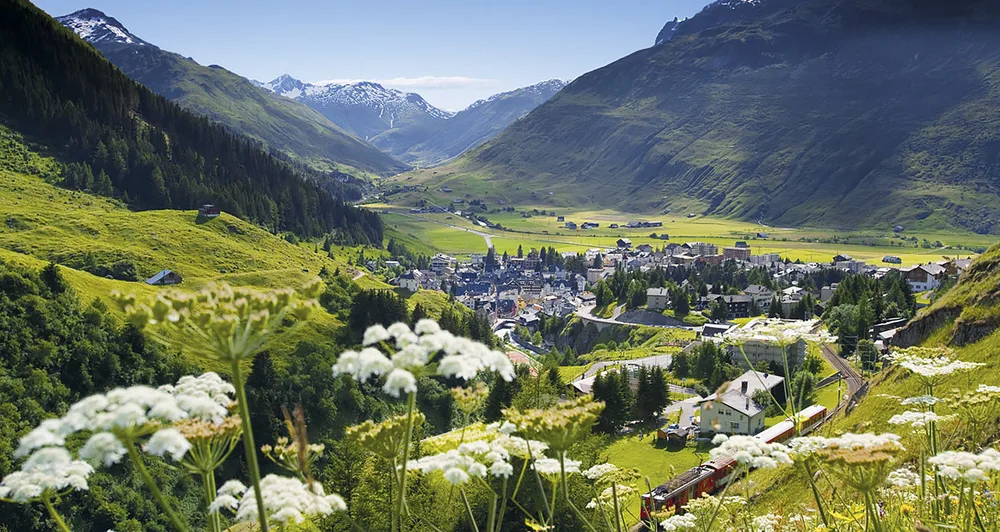
Andermatt
A garrison village at the junction of four passes, transformed by an Egyptian developer, and the place where the Gotthard route actually crosses.
Mürren
A village at 1,638 m reachable only by cable car or rack railway, looking straight across at the Eiger, Mönch and Jungfrau.
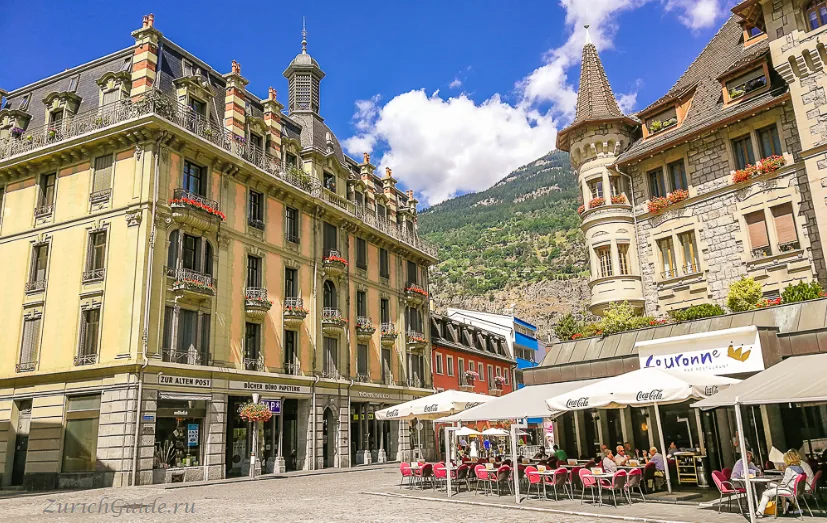
Brig
A junction town in the Valais with a baroque palace built by a man who grew rich on the salt trade over the Simplon.
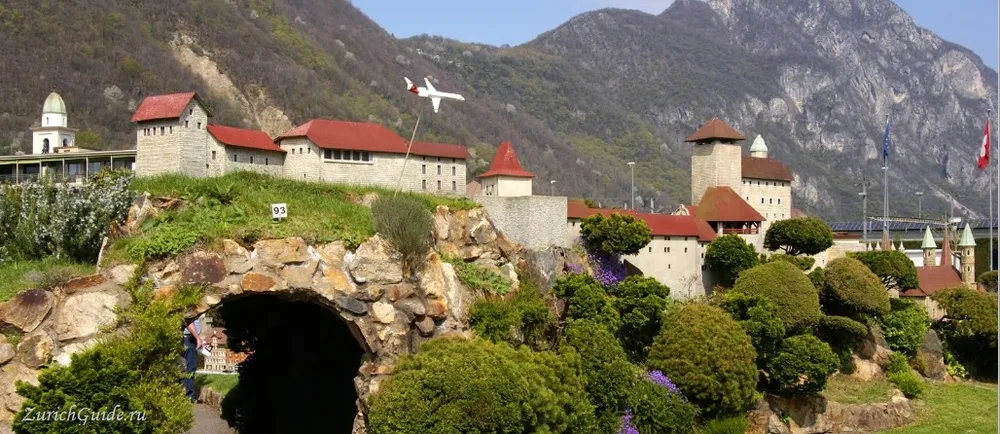
Melide and Swissminiatur
A park on Lake Lugano containing 130 Swiss buildings at one twenty-fifth scale, with three and a half kilometres of model railway running through them.
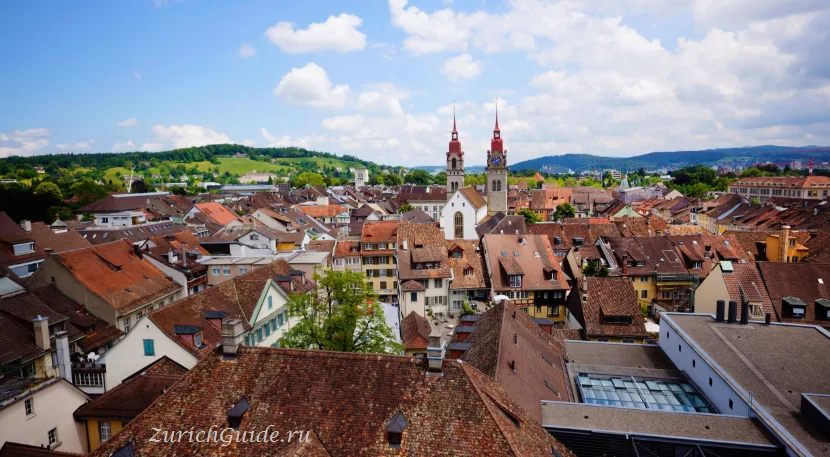
Winterthur
An industrial town twenty-five minutes from Zurich with an art collection out of all proportion to its size, and the best science museum in the country.
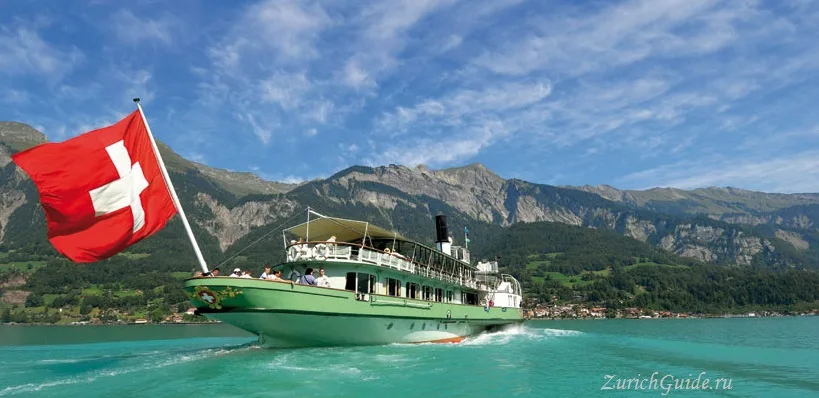
Brienz and Ballenberg
A village of woodcarvers on a turquoise lake, with the last steam rack railway in Switzerland above it and a hundred historic farmhouses next door.
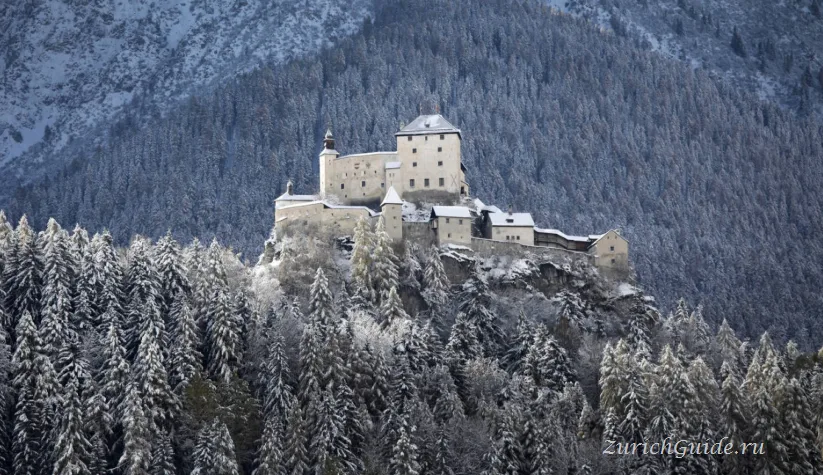
Tarasp and the Lower Engadin
A white castle on a rock, villages covered in scratched plaster patterns, twenty mineral springs, and the only national park in Switzerland.
Morges
A small lakeside town between Geneva and Lausanne, with a spring tulip festival, a castle full of toy soldiers, and the village where Audrey Hepburn lived for thirty years.
Pontresina
The quiet, serious neighbour of St. Moritz: a climbing base at 1,800 m facing the Bernina glaciers, with a fraction of the prices.
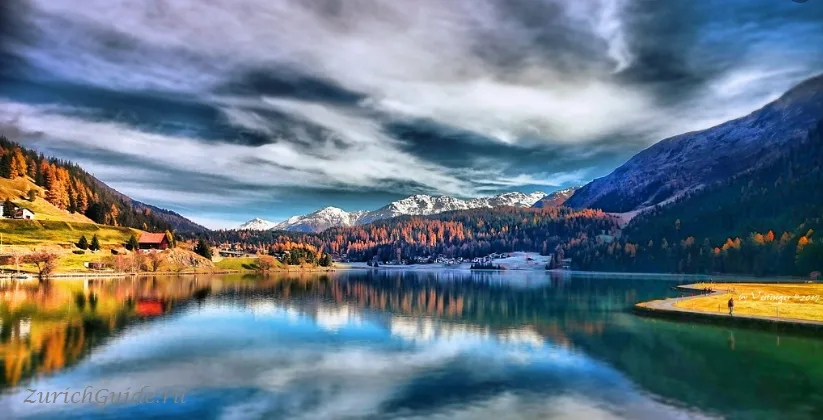
Davos and Klosters
The highest town in Europe, built as a tuberculosis cure and rebuilt as five ski areas, with a January conference that shuts the whole place.
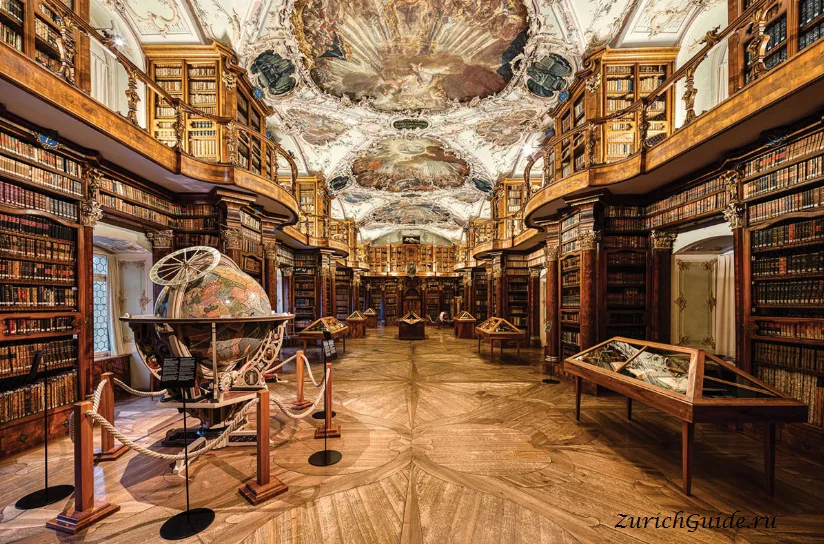
St. Gallen
A baroque library that is one of the most beautiful rooms in the world, in a town that once made the lace for half of Europe.
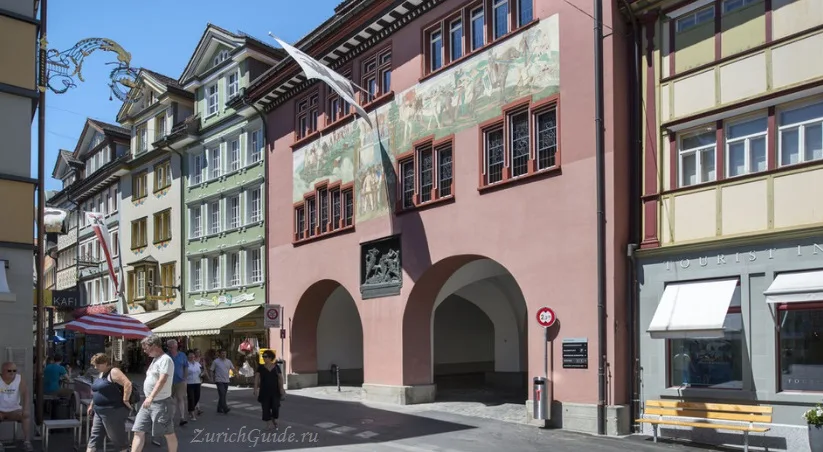
Appenzell
The most traditional canton in Switzerland, where the citizens still vote in the square by raising their hands, and the last to give women the vote.
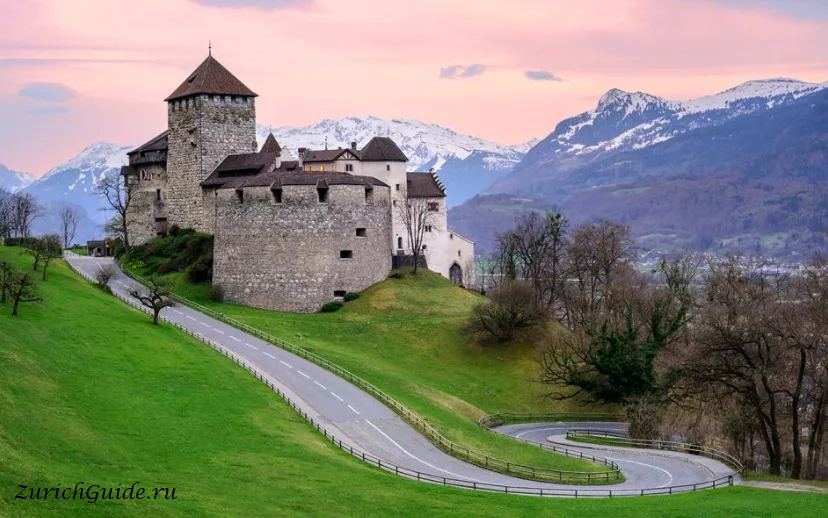
Vaduz and Liechtenstein
A principality of 160 square kilometres between Switzerland and Austria, with a prince in a castle on the hill and no airport, no army and no border control.
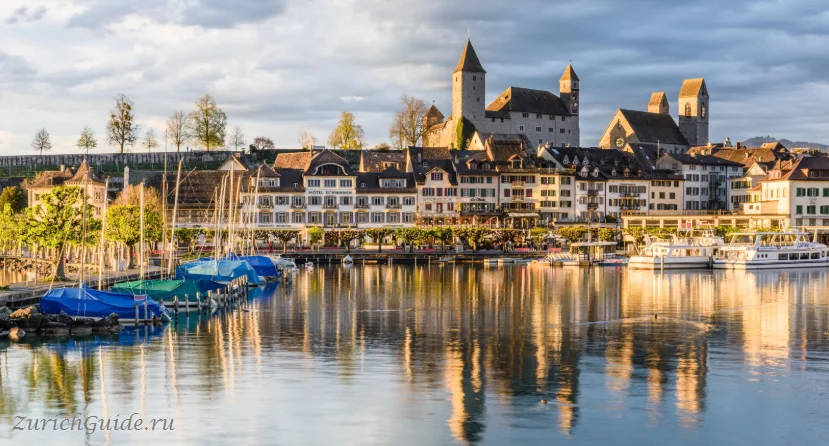
Rapperswil
A castle on a rock, fifteen thousand rose bushes, and a wooden footbridge across the lake on a crossing that has existed since the Bronze Age.
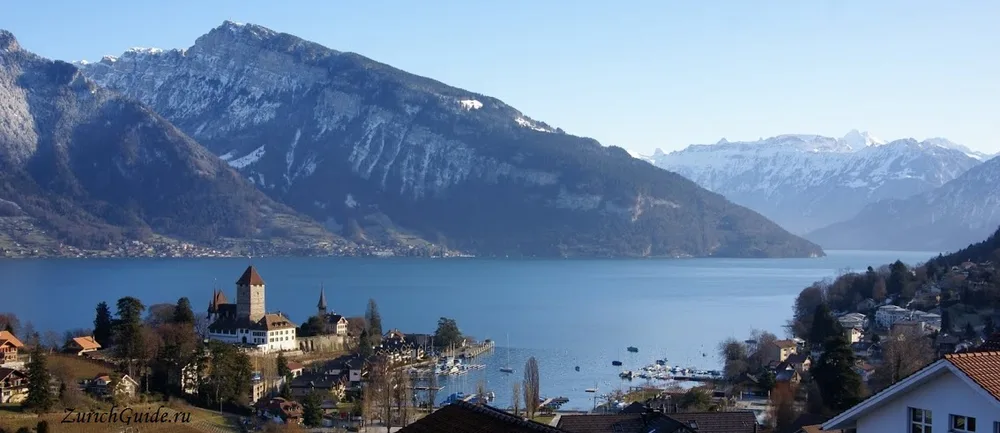
Spiez
A medieval castle on a spit of land in a perfect crescent bay, with vineyards behind it and the Bernese Alps across the water.
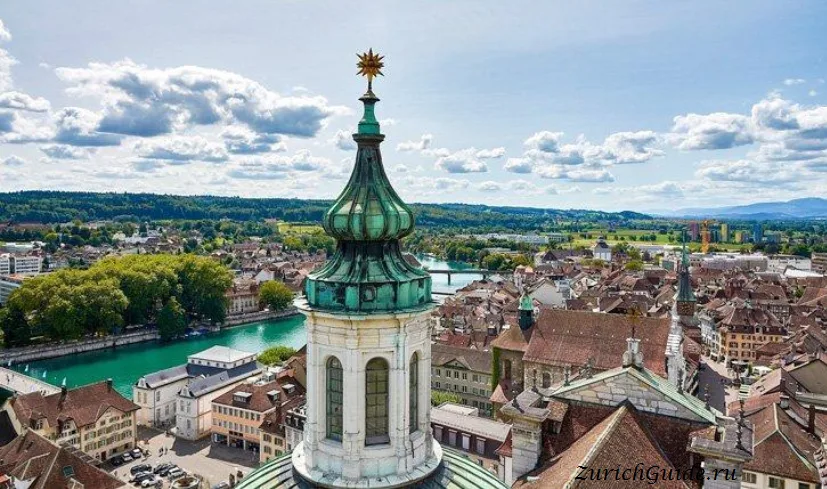
Solothurn
The finest baroque town in Switzerland, with eleven churches, eleven fountains, eleven towers and a cathedral with eleven altars, eleven bells and three flights of eleven steps.
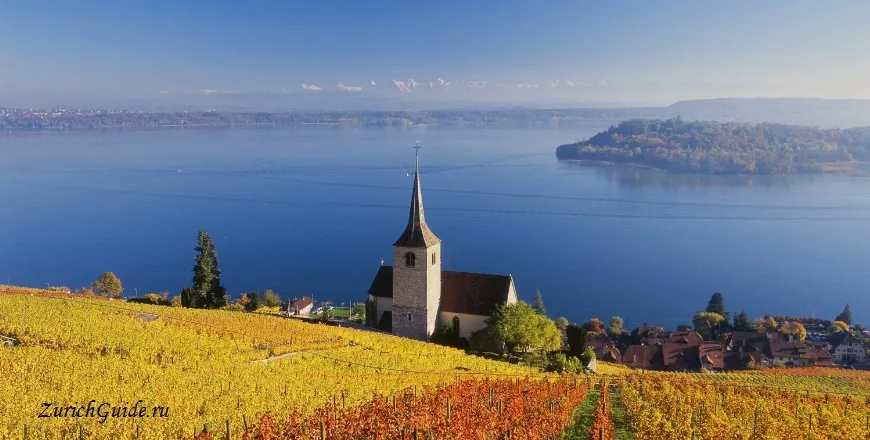
Biel/Bienne
The most genuinely bilingual town in Switzerland, where conversations switch language mid-sentence, and where half the world's watches are assembled.
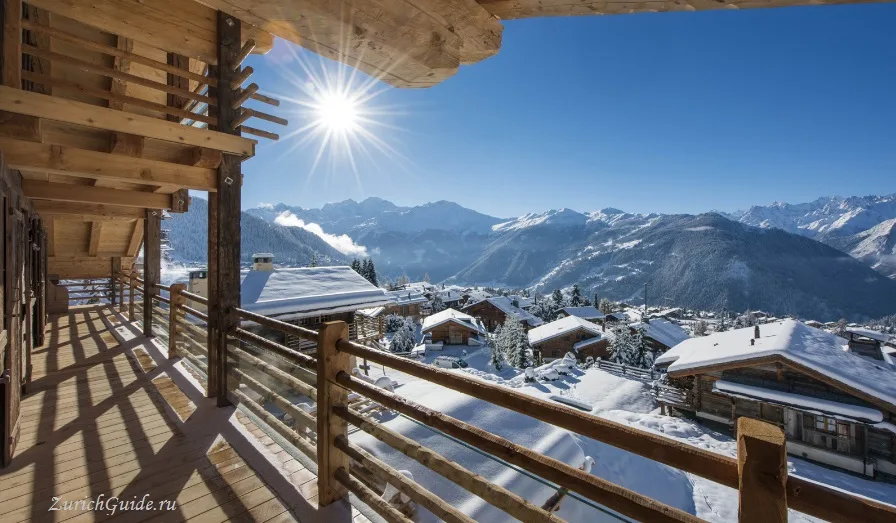
Verbier
A south-facing terrace at 1,500 m with the largest linked ski area in Switzerland below it, a serious off-piste reputation, and prices to match.
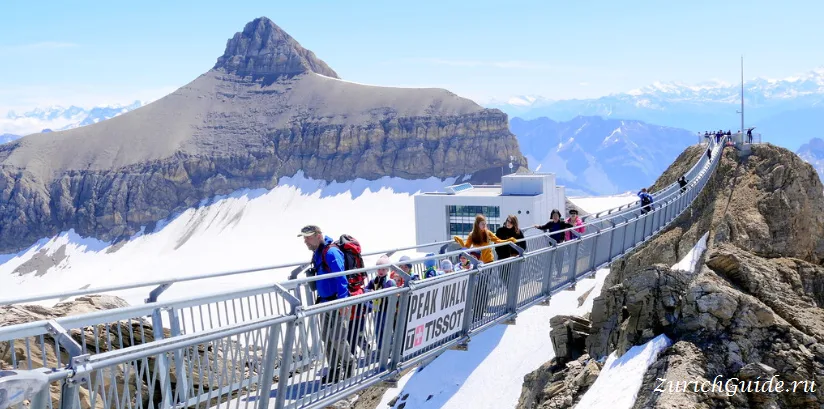
Gstaad
A village of wooden chalets with a pedestrian main street, a reputation for money, and gentler skiing than its neighbours.
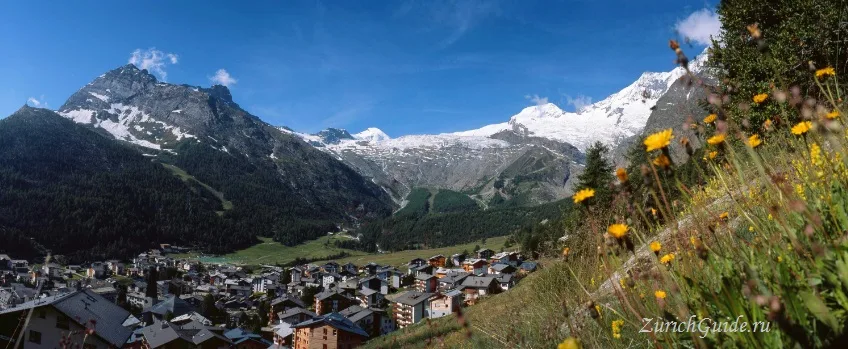
Saas-Fee
A village at 1,800 m surrounded by thirteen peaks over 4,000 m, with a glacier above it and no cars in it.
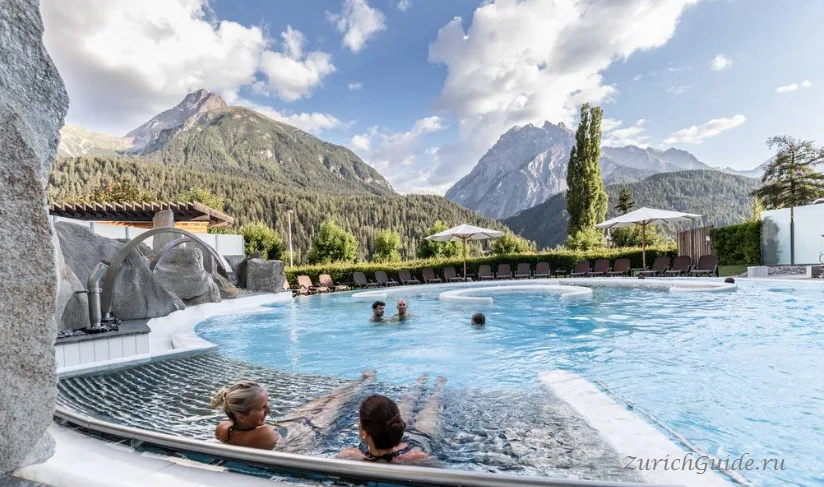
Scuol
Twenty springs, a bath house you can spend a day in, and villages covered in scratched plaster where the local language is Romansh.
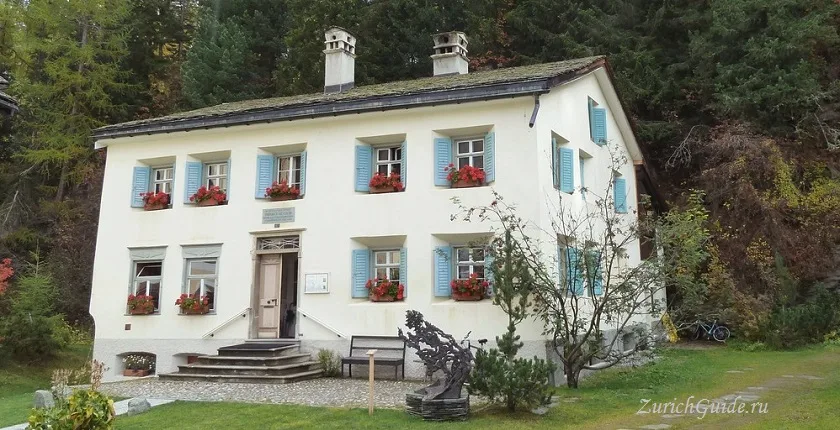
Sils Maria
A quiet village between two lakes where Nietzsche spent seven summers and wrote most of what he is known for, and where cars are largely kept out.
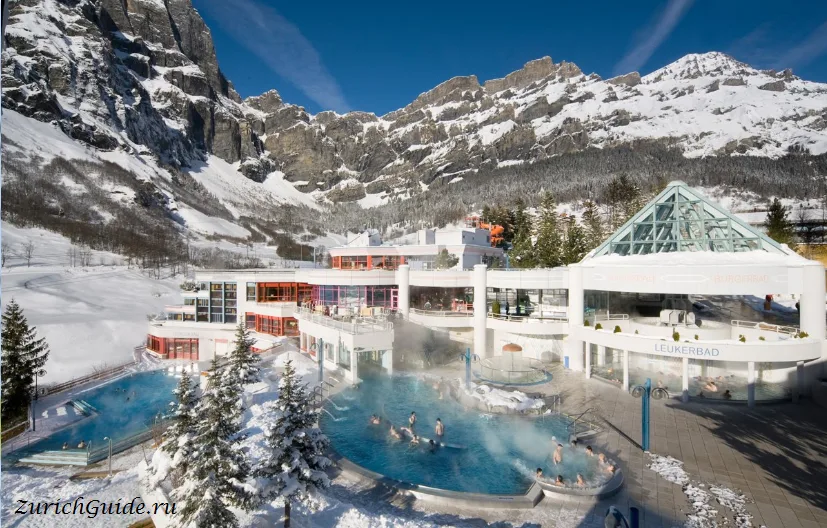
Leukerbad
The largest thermal resort in the Alps, sitting in a dead-end valley under a wall of rock, with 3.9 million litres of hot water a day.
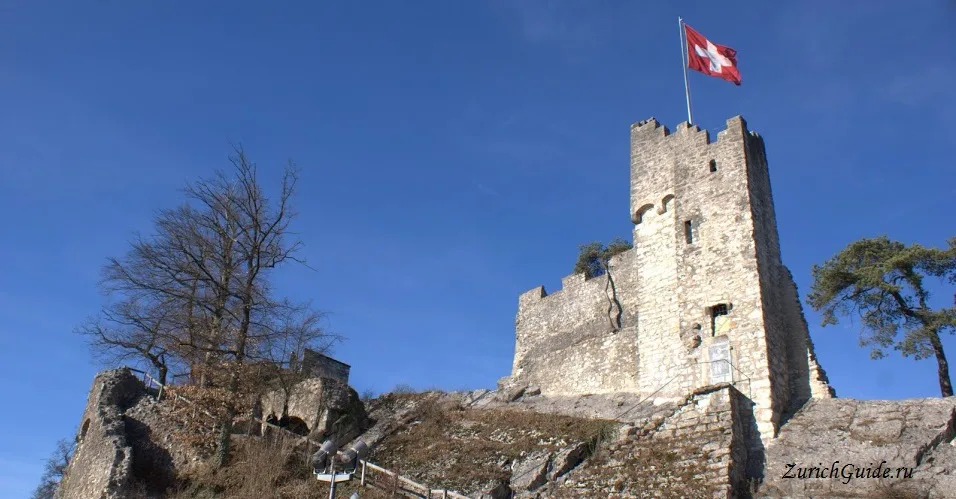
Baden
The hottest and most mineral-rich springs in Switzerland, used since the Romans, with a new bath house and a small old town under a ruined castle.
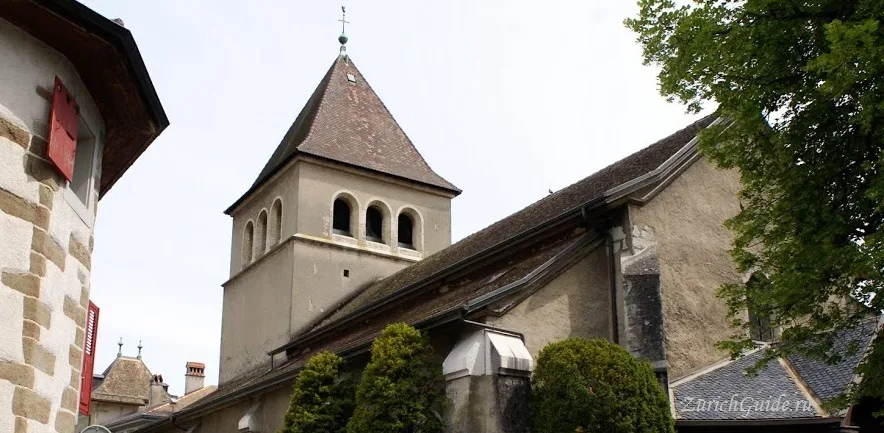
Nyon
Founded by Julius Caesar's veterans, with a five-towered castle above the lake, a porcelain tradition, and UEFA's headquarters at the edge of town.
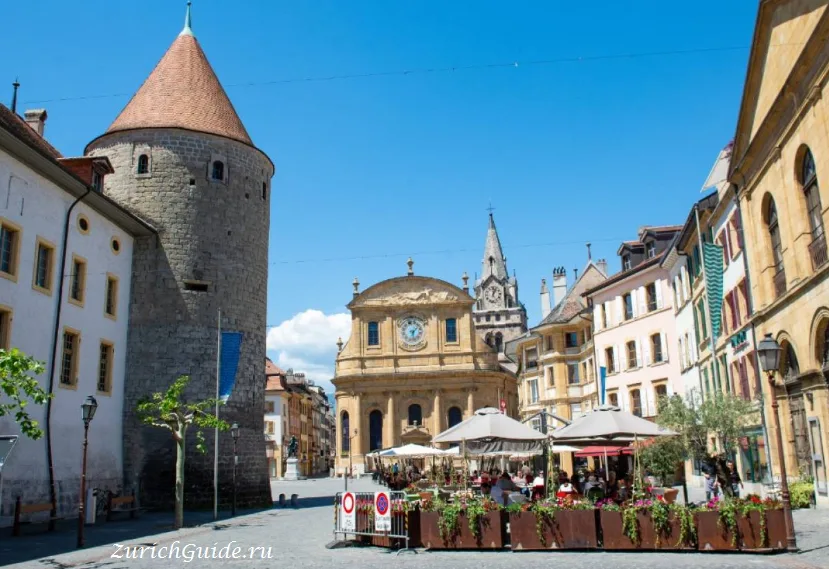
Yverdon-les-Bains
A spa town at the end of Lake Neuchâtel with sulphur water, a Savoy castle, standing stones, and the only public science fiction museum in Europe.
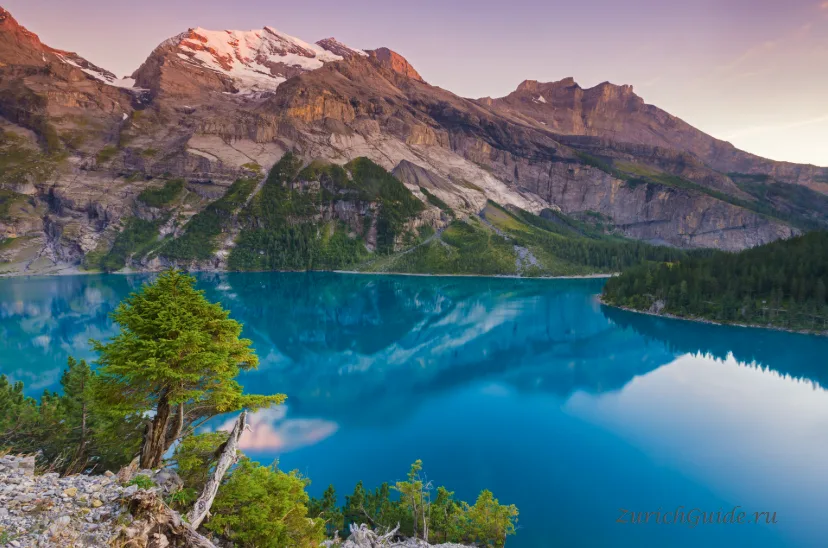
Kandersteg
A quiet village at the end of a valley, with the best short walk in Switzerland above it and a car-carrying train under the mountains behind it.
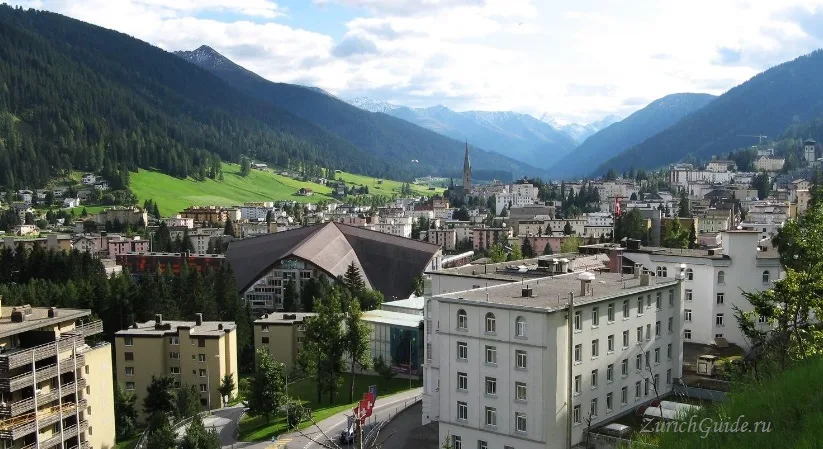
Arosa
A resort at 1,775 m reached by a railway that leaves Chur through the streets, with a bear sanctuary and a lake in the middle of the village.
Lake Constance
Flat, warm and shared with Germany and Austria, with a Rhine you can walk beside and boats that cross international borders as a matter of routine.
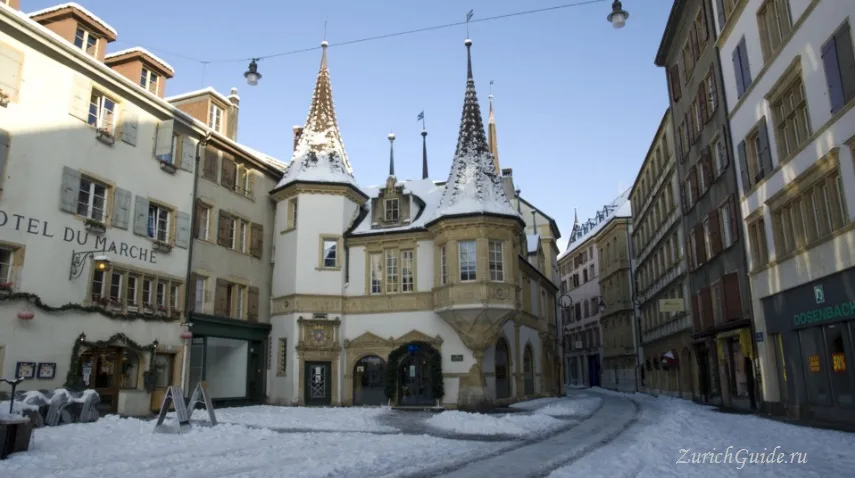
La Chaux-de-Fonds and Le Locle
Two towns in the Jura laid out on a grid designed for making watches, UNESCO-listed for town planning, and the birthplace of Le Corbusier.
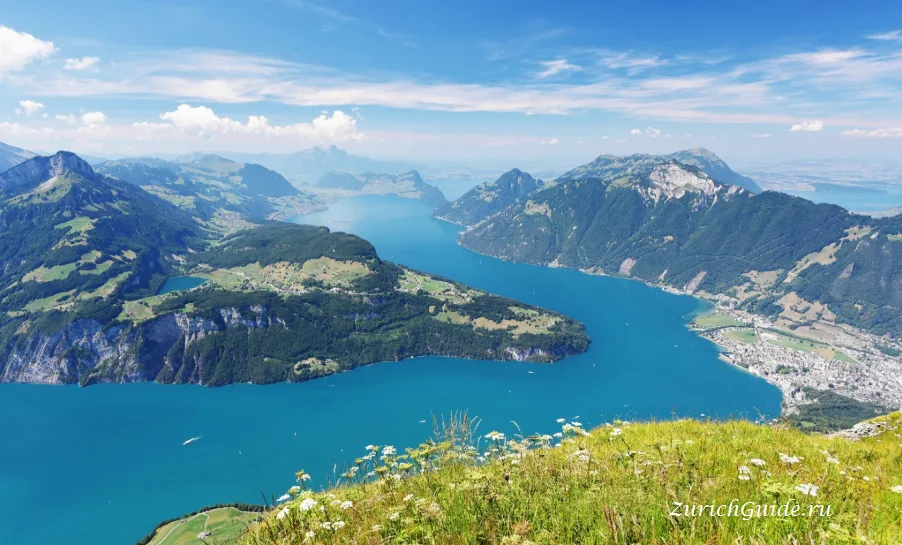
Schwyz
The canton that gave Switzerland its name and flag, with the 1291 charter in a purpose-built archive and the Rütli meadow across the lake.
Laax and Flims
The snowboard capital of Europe in winter, and in summer the rim of a canyon carved by the largest landslide in the Alps.
Lake Thun
Four castles on one lake, a fleet that includes a working paddle steamer, and a cave running a kilometre into the mountain.
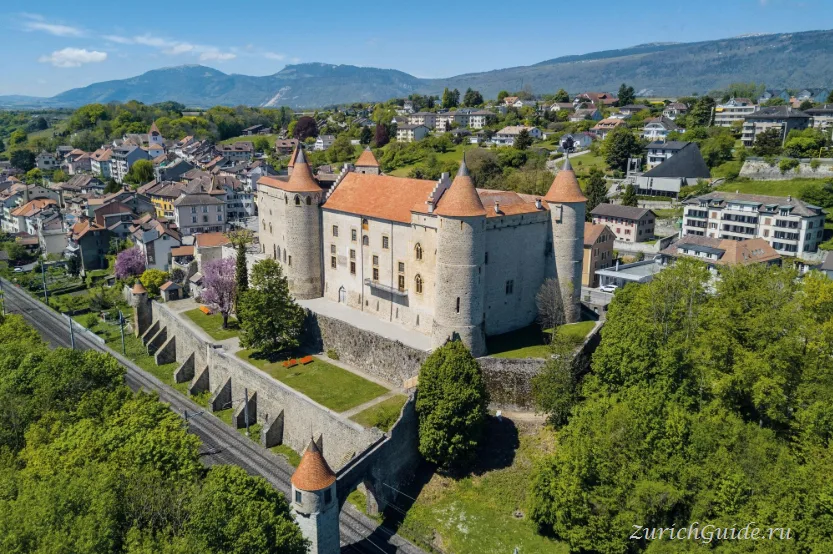
Grandson
A lakeside fortress where the Swiss destroyed the richest army in Europe in 1476 and took a treasure that is still turning up in museums.
Payerne
An eleventh-century abbey church of extraordinary size in a small town, built by a Burgundian queen who is buried in it.
Villars and the Vaud Alps
A sunny terrace at 1,300 m reached by rack railway, with gentle skiing, a glacier at 3,000 m nearby, and a view down the Rhône to Mont Blanc.
Updated: